
[Meticulous Doctor] Tattoo RemovalR0 Tattoo Removal - 1 Visit, 3 Sessions

R0 Tattoo Removal - 1 Visit, 3 Sessions
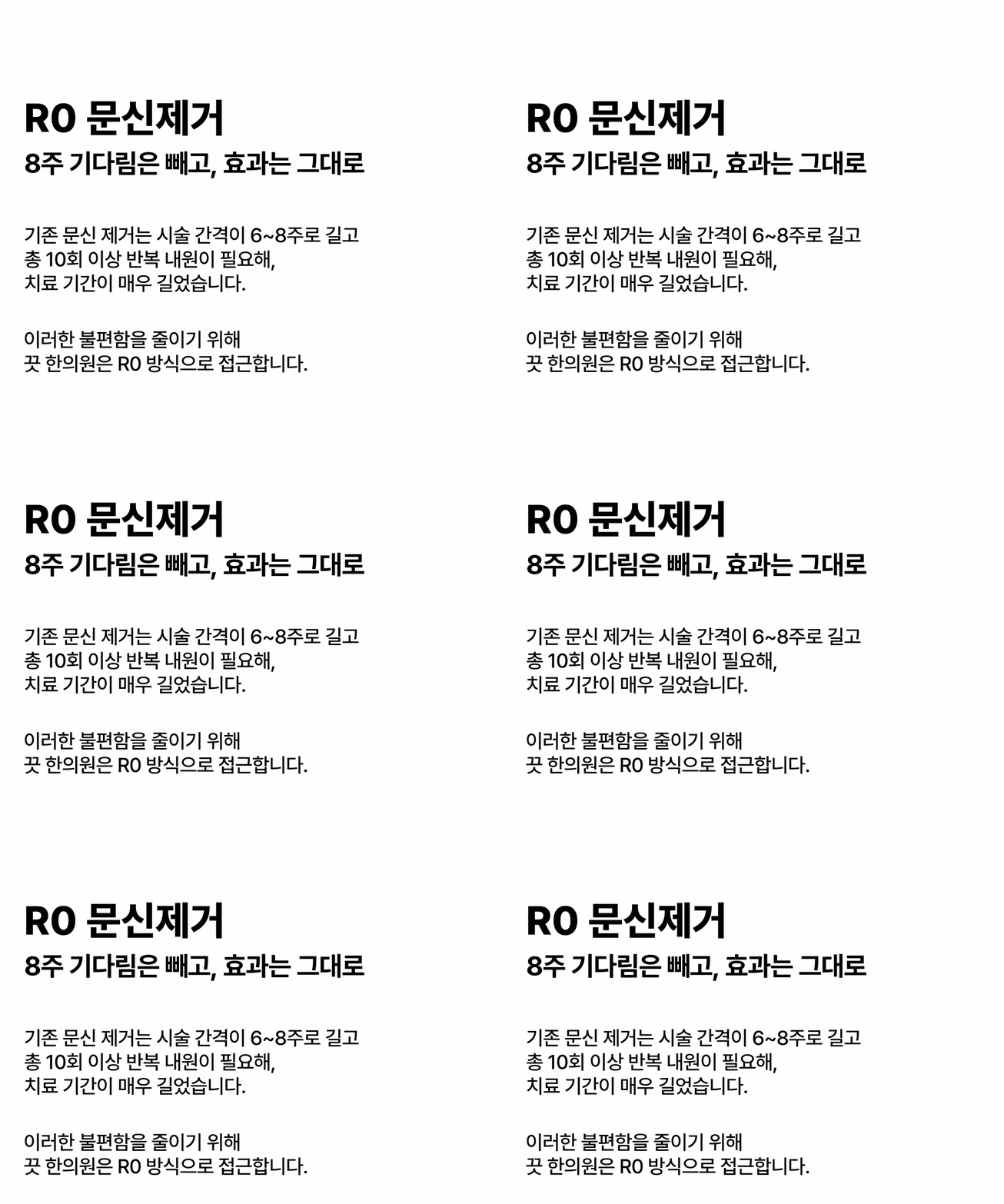
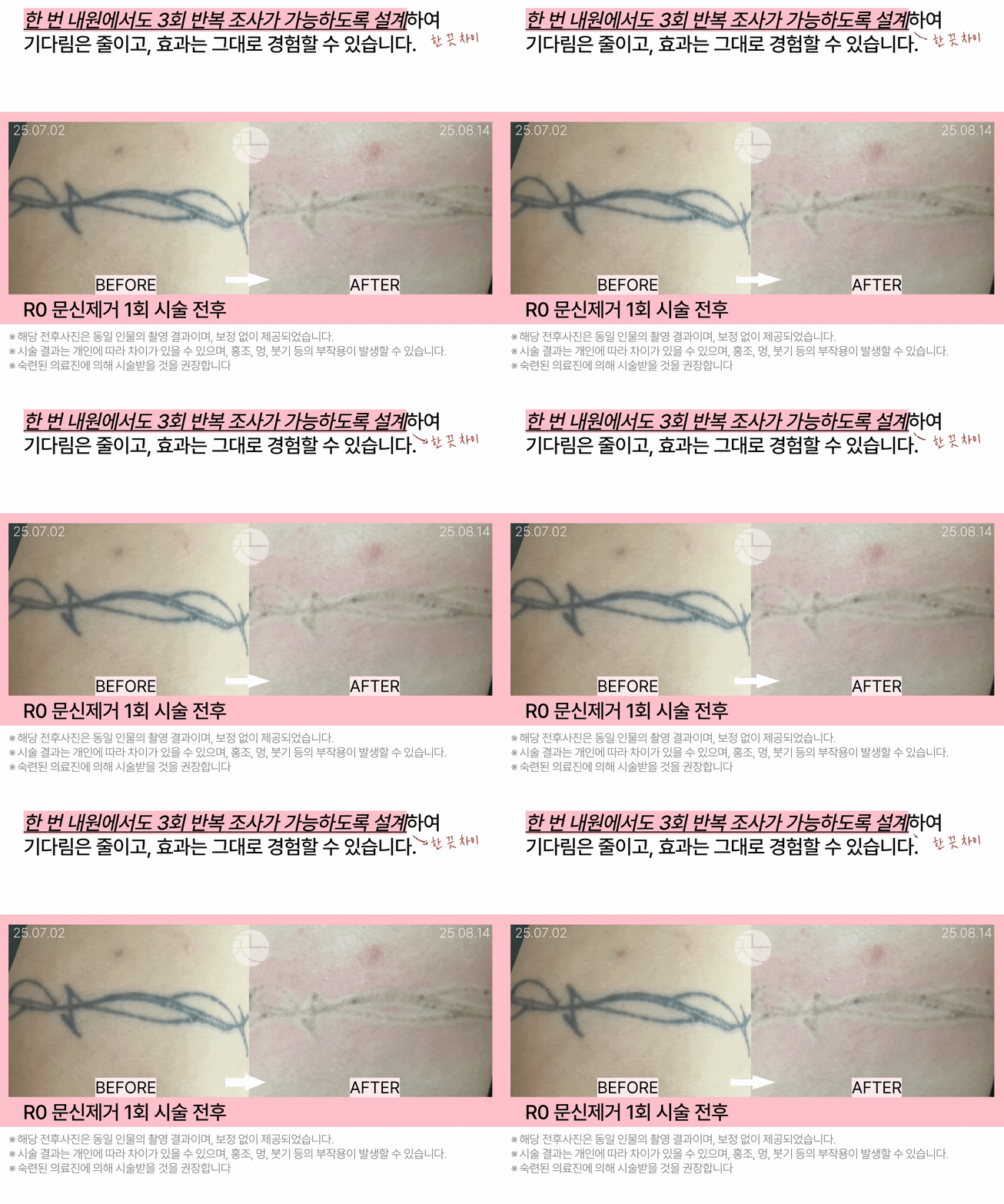
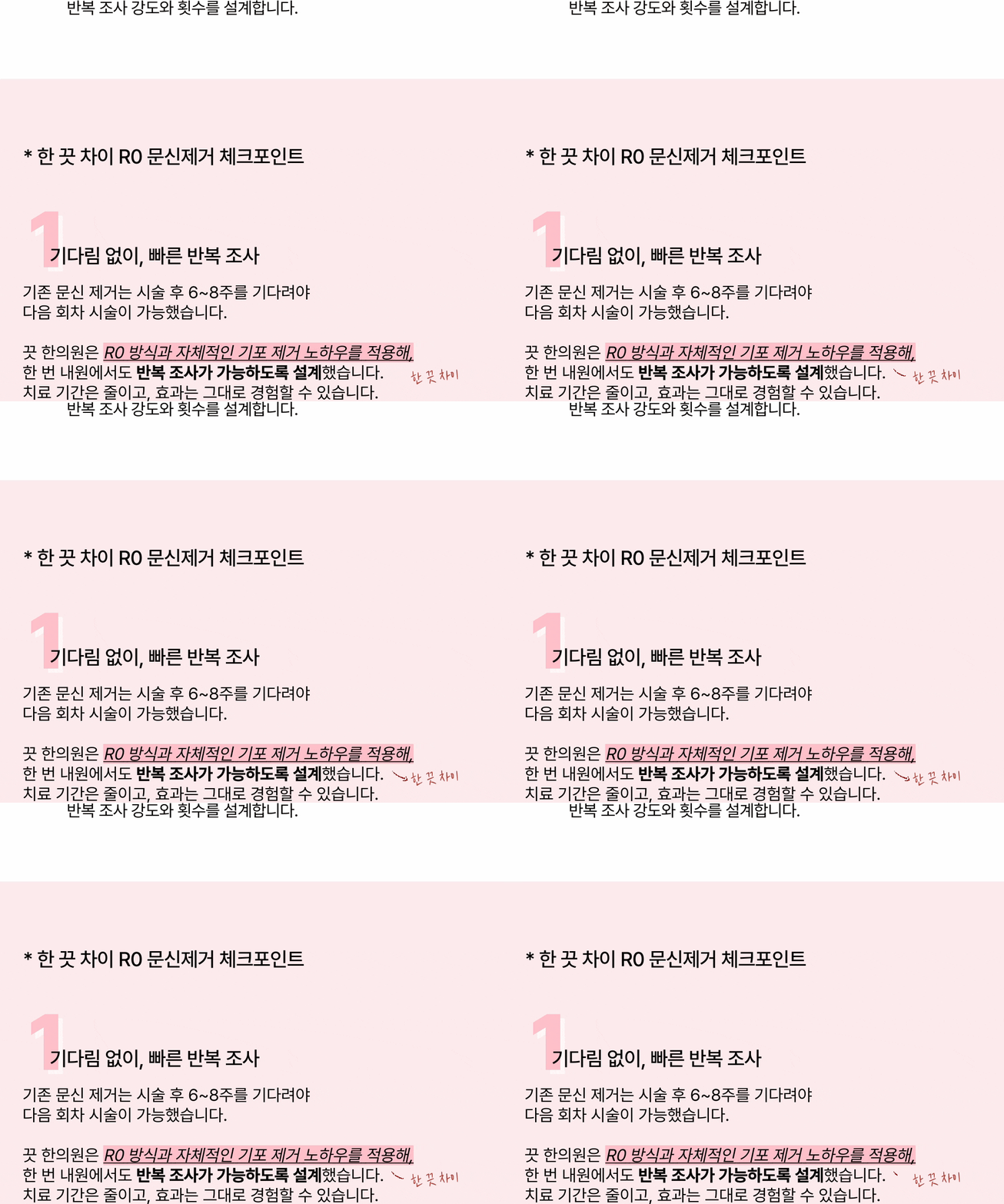
Kkeut Clinic's R0 tattoo removal incorporates our unique bubble removal know-how, allowing for up to 3 repeated laser applications in a single visit. With treatment time and frequency reduced to 1/3 of conventional methods, you can lessen the burden of the treatment period while experiencing the same effectiveness. **VAT excluded
Options
Treatment Details
Tattoo Removal Using the R0 Technique
A Technique Involving Multiple Laser Passes with PFD Solution
For a long time, tattoo removal has primarily utilized nanosecond lasers, such as the Q-switched Nd:YAG (1064nm). These lasers work by breaking down tattoo pigments into smaller particles.
However, the traditional method required waiting 6 to 8 weeks for recovery between laser sessions. On average, over 10 total treatment sessions were needed, making tattoo removal a considerably long process.
To address these limitations, the R0 technique is emerging as a new option.
What is the R0 Technique?
R0 refers to a tattoo removal technique where a laser is applied consecutively up to 4 times on the same tattooed area during a single visit.
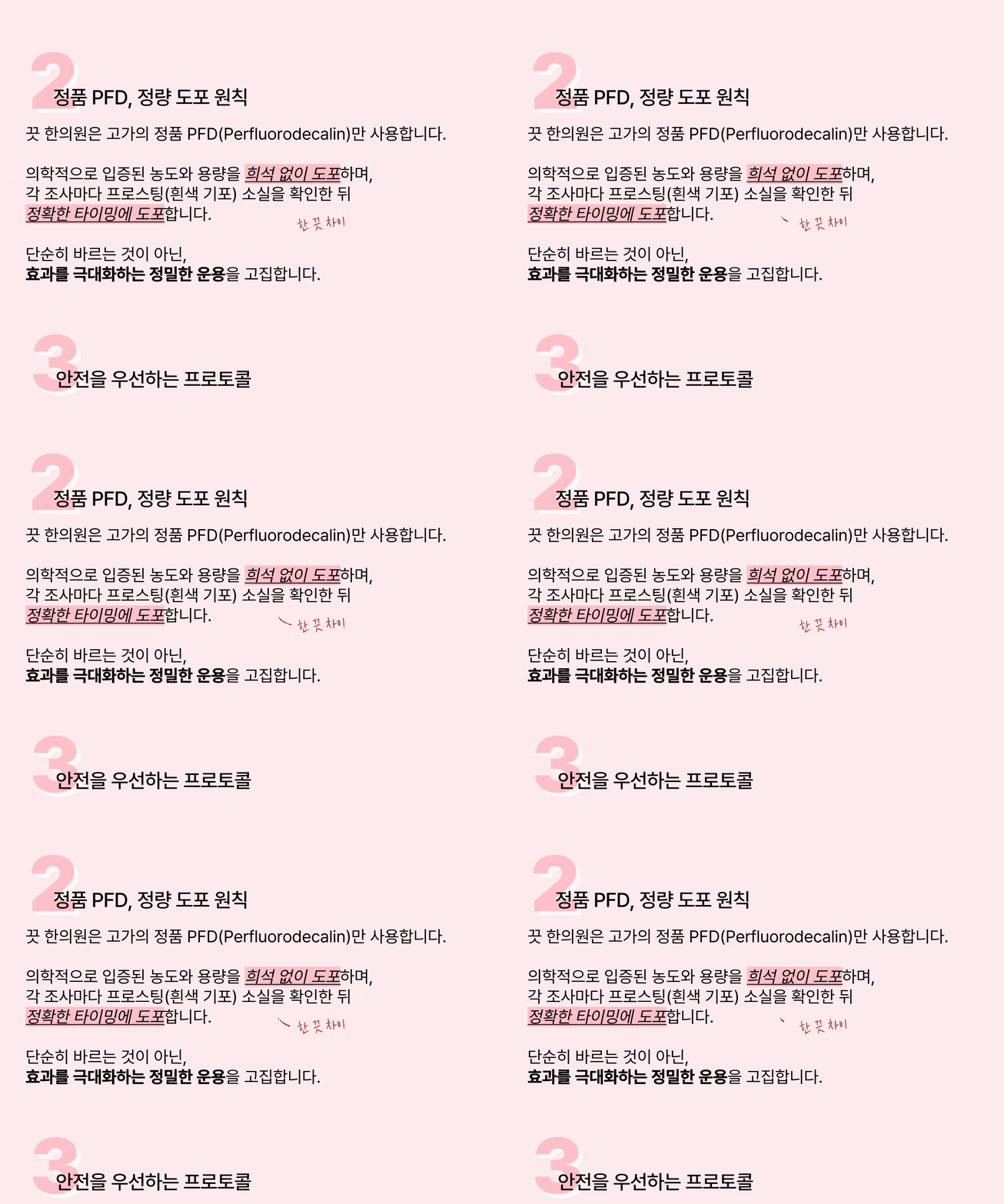
A key feature of this treatment is the use of a special liquid solution called ‘PFD (Perfluorodecalin)’.
When the laser is fired, white bubbles known as ‘frosting’ appear on the skin.
These bubbles scatter the laser light, becoming a significant factor that reduces the effectiveness of continuous laser passes.
Previously, it was common to wait for several tens of minutes for these bubbles to naturally disappear, or to postpone the next session. However, even with long waits, the bubbles rarely vanished completely.
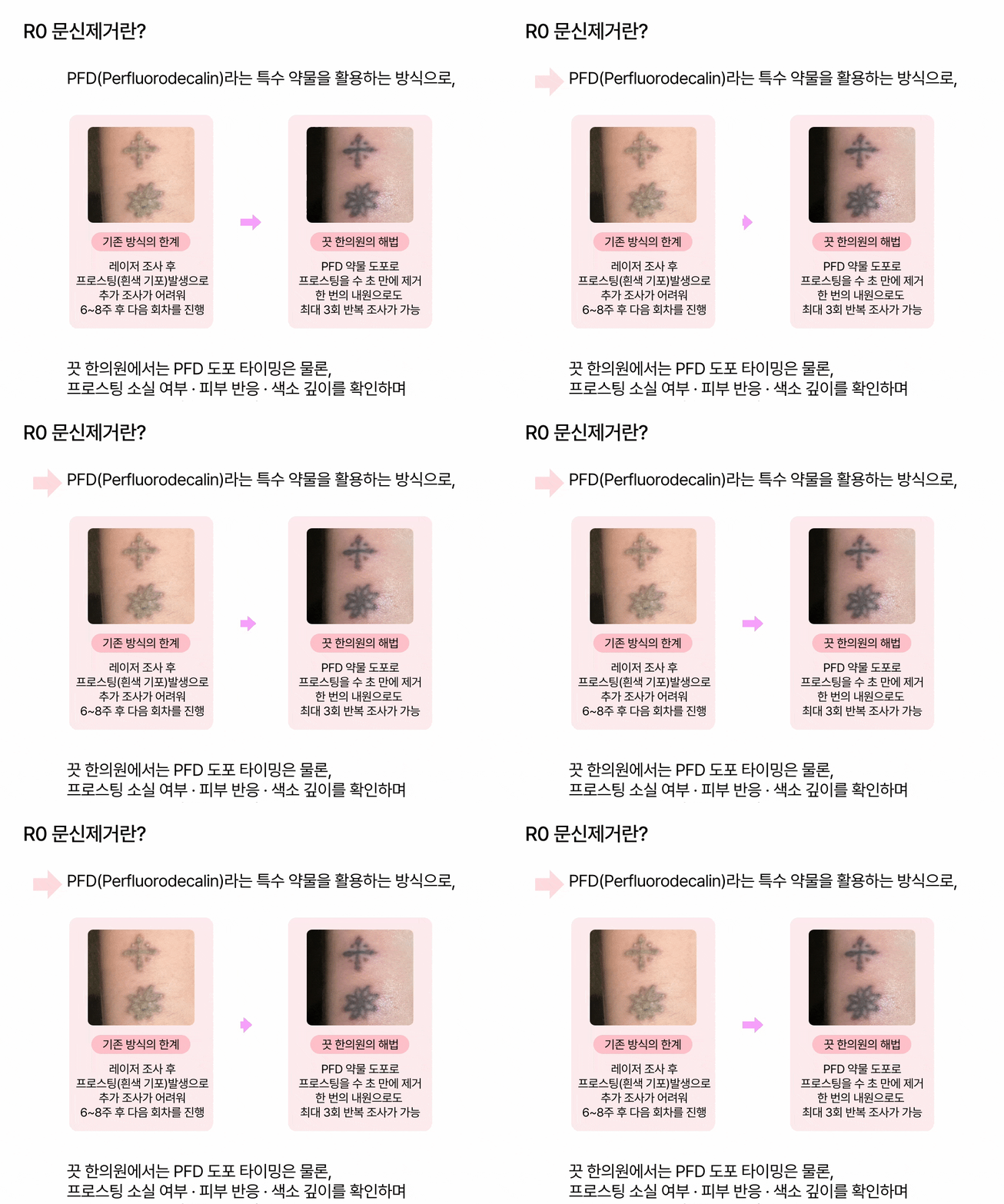
However, applying the PFD solution causes the frosting phenomenon to disappear in just a few seconds, allowing the laser to be repeatedly fired at intervals of 1 to 2 minutes.
As a result, one can expect the tattoo pigment to fade much faster than with traditional methods.
Related Research Findings
- 2013 Report by Biesman et al.
- Upon reviewing patients treated with the R0 technique, it was found that the number of treatment sessions was reduced by approximately 30-50% compared to conventional methods.
- Furthermore, it was confirmed that treatment could be resumed immediately after the laser was fired.
- 2020 Report by Kauvar et al.
- For patients who underwent approximately three applications of the R0 technique, the total number of laser passes corresponded to roughly 10 sessions (approximately 3 sessions with the R0 method),
- Through this process, it was observed that tattoo pigment could be reduced by over 70-90%,
- and the incidence of side effects such as post-inflammatory hyperpigmentation (PIH) was confirmed to be relatively low.
If it's technically possible for '4 passes', why is repetitive treatment typically recommended only up to '3 passes'?
The R0 technique is theoretically known to allow up to 4 consecutive laser passes.
However, in actual clinical settings, treatment is often concluded with 2 to 3 repetitive passes.
There are several factors to consider for this.
1. Characteristics of Asian Skin
Asian skin tends to have melanocytes that react sensitively to stimulation, leading to a relatively higher probability of post-inflammatory hyperpigmentation (PIH).
Especially for skin types III-IV according to the Fitzpatrick scale,
too many repetitive laser passes can go beyond pigment removal and cause excessive irritation to the skin, potentially leading to darker hyperpigmentation.
2. Safety Concerns in Addition to the Number of Sessions
Generally, repetitive passes can be performed up to about three times, observing how the skin reacts.
If the number of passes exceeds four, the likelihood of damage to normal skin tissue, increased pain, redness, and mild burn reactions significantly increases.
3. Limitations of Laser Irradiation Effectiveness
Even with PFD, the total amount of pigment particles that the laser can penetrate and break down is limited to a certain level.
After completing about three repetitive passes in a single session, the laser's penetration effectiveness begins to decrease,
and even if the intensity is increased further, the additional treatment effect is not significant, tending instead to increase the likelihood of side effects.
In conclusion, ‘the technically possible maximum of 4 passes’ and ‘the actual optimal number of passes considering both patient safety and efficacy’ must be distinguished.
Therefore, specialists proceed with treatment by carefully assessing the patient's skin safety and treatment efficacy, primarily adhering to a basic principle of 3 repetitive passes.
So, why don't all medical institutions use the R0 technique?
This treatment method does not only offer advantages to medical institutions.
- When using PFD drugs, there may be considerations regarding cost or drug supply.
- Deciding the timing of PFD drug application and the number of laser irradiations requires the medical team's experience and meticulous judgment.
- When using the PFD technique for tattoo removal, the procedure time can be 2 to 3 times longer compared to conventional methods.
Due to these time considerations, clinics that prioritize procedural efficiency may be hesitant to adopt this method.
However, our medical team places greater value on enhancing the completeness of the procedure and reducing the burden on our patients.
Considering the advantages and effectiveness of the PFD treatment method, we highly value its practical application.
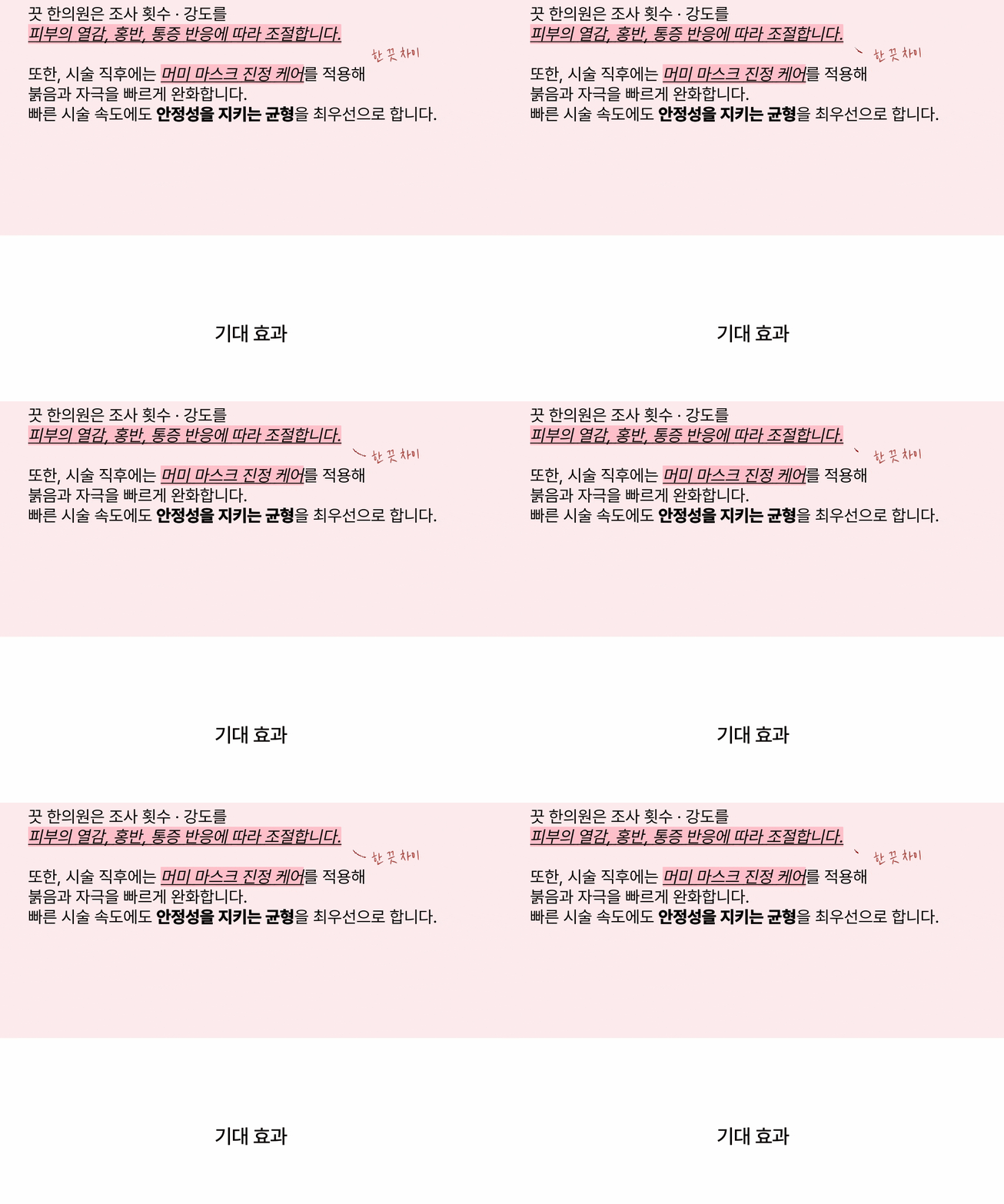
Our medical team carefully observes the skin condition to avoid unnecessary laser irradiation, and performs repeated treatments only within the necessary areas, while doing so.
We prioritize the safety of our patients' skin, and simultaneously research various approaches to achieve satisfactory tattoo removal results.
We constantly strive to enhance the effectiveness of the procedure, minimize patient discomfort, and ensure a safe treatment process with positive outcomes.
Tattoo Removal Procedure Steps
첫 상담부터 마무리까지의 실제 진행 순서를 확인하세요.
- 01
The medical staff carefully consults on each individual's skin condition and tattoo characteristics.
- 02
An anesthetic ointment is applied to reduce any discomfort that may occur during the procedure.
- 03
The procedure begins with adjusting the appropriate laser intensity according to the individual's tattoo condition.
- 04
After the procedure, soothing care (such as a mummy mask) is performed to help stabilize the skin.
시술 기본정보
시술 시간, 마취, 회복, 유지기간을 한 번에 확인하세요.
TIME
1 hour - 1 hour 30 minutes (varies by size)
ANESTHESIA
Anesthetic cream
RECOVERY
Immediate return to daily life
Ideal For
One Fine Difference makes real results.
- KKEUT POINT 01
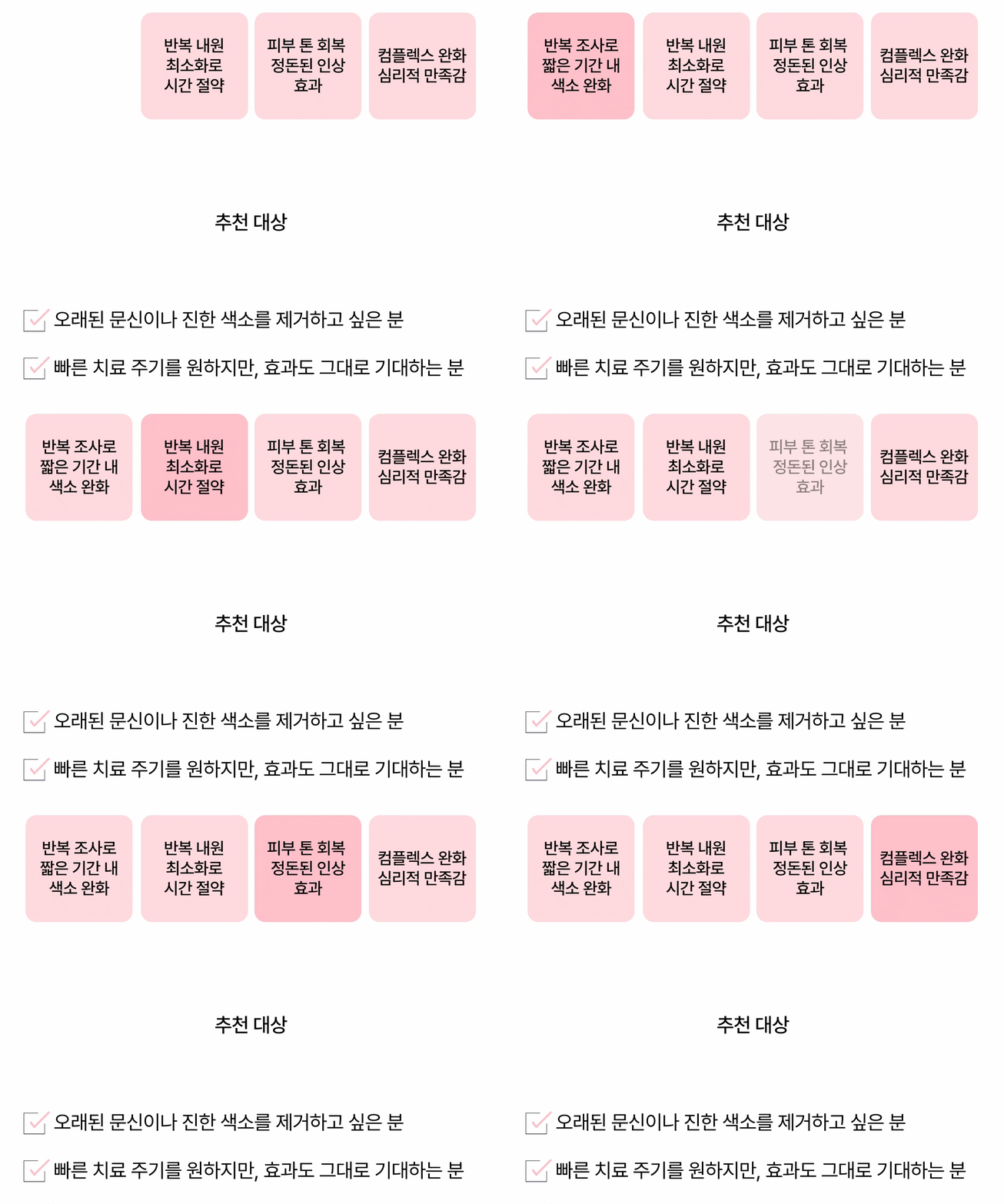
This procedure can be considered for those who hope for clearer skin through tattoo removal.
Cautions
Results = Treatment × Aftercare. Please follow the notes below.
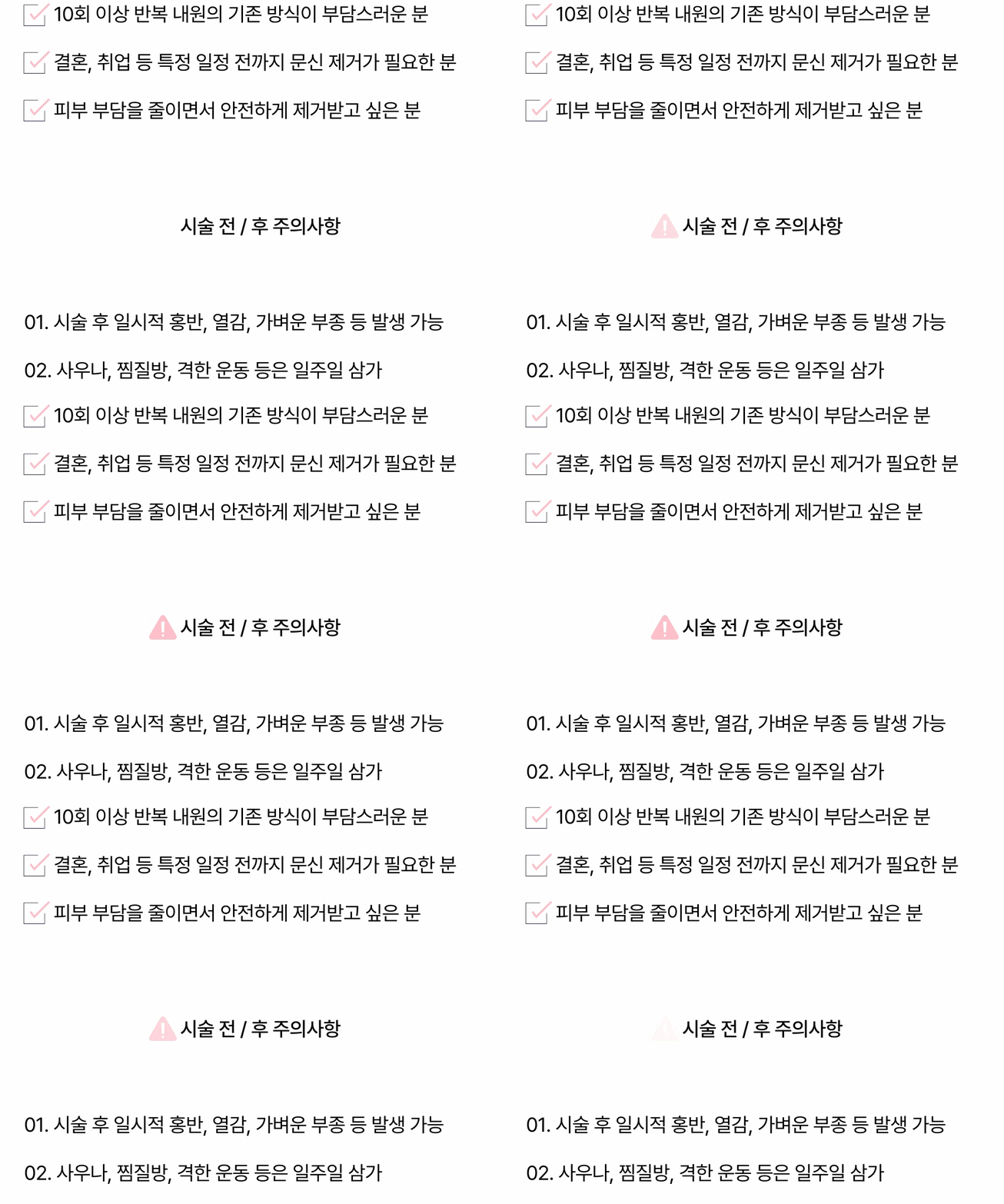
It is advisable to avoid using scrub products for about a week after the procedure to minimize irritation to the skin.
Scabs formed on the treated area should be left to fall off naturally and care should be taken not to remove them forcibly.
It is important to be careful not to let water directly touch the treated area for at least one day immediately after the procedure.
Care should be taken not to rub the treated area vigorously or apply any other unnecessary irritation.
Avoiding alcohol, smoking, saunas, and strenuous exercise for about a week after the procedure can help with skin recovery.